
Laundry Waterproofing Hobart

Laundry Waterproofing Requirements in Hobart: Australian Standards Explained

Wondering if your laundry waterproofing meets AS 3740? See the wall height, membrane and compliance requirements Hobart homes actually need. Free quotes.

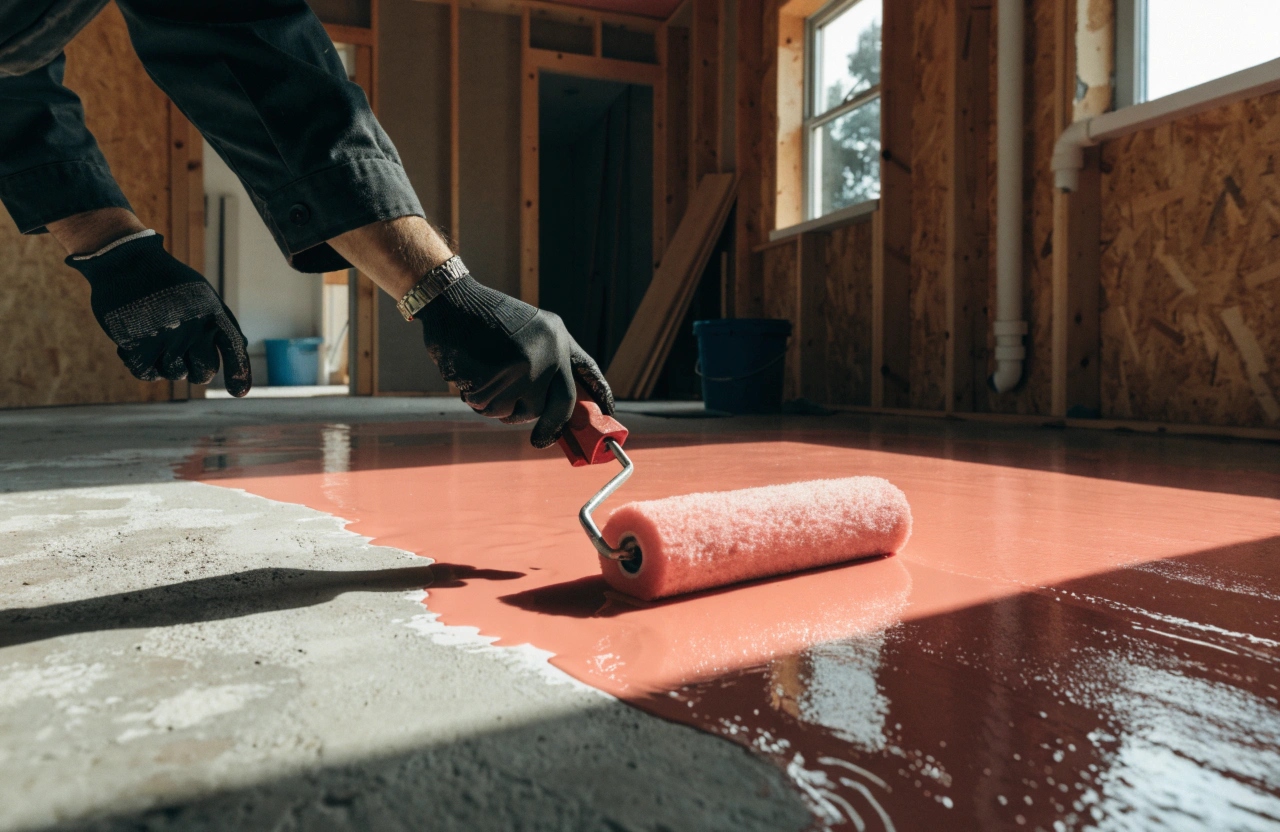
Tradesperson applying waterproofing membrane to a laundry floor before tiling in a Hobart home

By Daniel Whitfield · September 6, 2026 · 11:14 am

We got called out to a place in Lenah Valley a while back, weatherboard cottage, laundry “renovated” about eight years earlier by the previous owner. New cabinets, new tap, looked the business. Problem was, when we pulled the vinyl up to fix a soft spot near the trough, there was no membrane under there at all. Just particleboard flooring gone grey and spongy, and a smell that told you mould had been having a party under there for years.

Nobody had done anything illegal exactly, but nobody had done it to AS 3740 either, which is the Australian Standard that actually governs laundry waterproofing requirements Hobart homes are supposed to meet. It's the difference between a laundry that lasts thirty years and one that's rotting from the inside within a decade, and most homeowners have no idea what they're meant to be checking for until something's already gone wrong.
Why Hobart's Climate Makes Waterproofing Critical

Tasmania doesn't get the baking-hot summers that dry everything out fast the way parts of the mainland do. Hobart's cooler, damper climate means moisture that gets into a wall or under a floor sticks around a lot longer before it has a chance to evaporate off. Add in the number of older weatherboard and brick-veneer homes around the older suburbs, Lenah Valley, West Hobart, Glenorchy, many built well before waterproofing standards existed in anything like their current form, and you've got a lot of laundries where the timber framing and wall linings are sitting closer to permanently damp than anyone realises.

A laundry is one of the wettest rooms in the house day to day, a washing machine filling and draining, a trough getting used, wet clothes waiting to go on the line, and it rarely gets treated with the same caution as a bathroom. That's exactly the gap that lets water damage creep in quietly for years before anyone notices a problem.

Australian Standard AS 3740: What It Means for Your Laundry

AS 3740 is the national standard covering waterproofing of wet areas in Australian homes, and it applies just as much to your laundry as it does to your bathroom. The Australian Building Codes Board's National Construction Code provisions for wet areas reference AS 3740 directly, setting out what has to be protected against water and how it needs to be done, covering everything from membrane type and thickness through to how floor-to-wall junctions are sealed.

In Tasmania, that standard isn't just a suggestion. The Building Act 2016 brings AS 3740 into force through Consumer, Building and Occupational Services (CBOS), the state body responsible for building compliance, and any renovation touching your laundry's wet area needs to be brought up to current standard as part of the work, not left as-is because it's "just a laundry."

What that means practically: a licensed waterproofer, a compliant membrane system, and a certificate of compliance you can actually produce if you ever sell the place or make an insurance claim.

Floor Waterproofing: Membrane Types and Installation

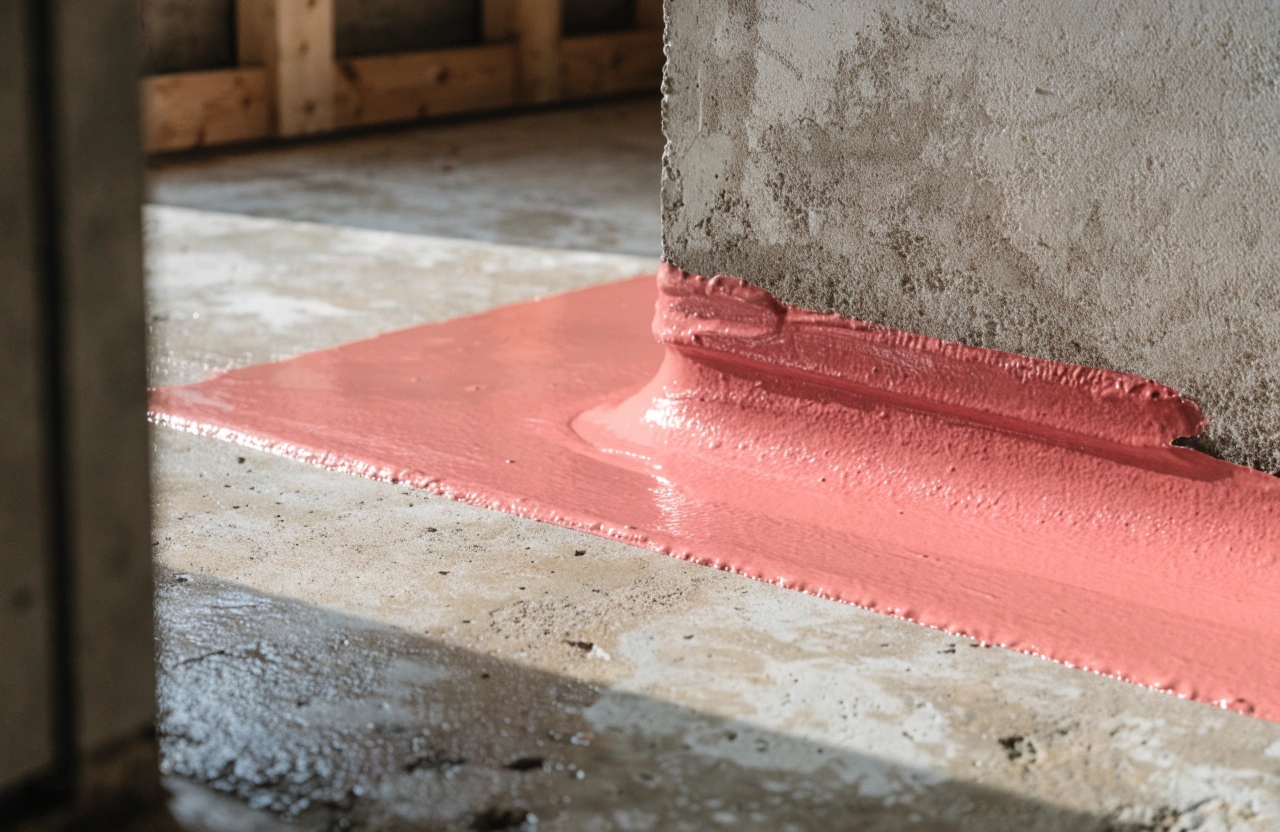
Most Hobart laundries get one of two membrane systems. Liquid-applied membranes go on with a roller or trowel in multiple coats, curing into a seamless rubbery layer that follows every contour of the floor and turns up the walls in one continuous sheet, which is exactly why they're the most common choice for laundries with awkward corners around cabinetry or a recessed trough.

Sheet membranes are the alternative, pre-formed material bonded down and taped at the joins. They're solid, but every join is a potential weak point if the installer rushes the overlap or skimps on the adhesive, which is why we lean toward proper waterproofing membrane installation done by someone who's done a few hundred of these, not their first one.

Either way, the membrane needs to run continuously from the floor up the wall with no gaps, and it needs to be tested, usually a 24 to 48 hour flood test, before anything gets tiled or covered over on top of it. Skip the test and you won't know there's a problem until the flooring's already down.

Close-up of waterproofing membrane correctly applied across a laundry floor-to-wall junction

Wall Waterproofing: How High Should It Go?

This is the bit that catches people out most, because the answer isn't "the same height everywhere." Directly around the trough, behind the tapware, and anywhere water can realistically splash straight onto the wall, the membrane needs to run considerably higher up the wall than it does on a wall that's just in the general vicinity of a wet area. General laundry walls typically only need a modest upstand off the floor, while the splash zones around taps and the trough itself usually need to be waterproofed much higher, often close to a metre or more, depending on the layout.

The exact heights come down to how your particular laundry is laid out, where the water actually goes when the machine's filling or the trough's in use, and that's a judgement call AS 3740 leaves to whoever's doing the waterproofing to get right for your specific room. It's one of the main reasons DIY jobs and dodgy renovations under-waterproof the walls, because it looks like overkill until the first time water actually gets flicked that high and finds the one patch that wasn't covered.

Common Waterproofing Mistakes in DIY Renovations

We see the same handful of mistakes over and over in older Hobart laundries, usually from a well-meaning reno done years ago rather than any bad intent.

  • No membrane at the floor-wall junction – the floor gets waterproofed, the walls get waterproofed, but the corner where they meet is left as a gap because it's fiddly to do properly.
  • Painting over old, failed membrane – instead of stripping back and redoing it, a fresh coat of paint goes over cracking membrane and hides the problem rather than fixing it.
  • Using tile adhesive or grout as a substitute for membrane – neither is designed to stop water, and both will let moisture through over time.
  • No flood test before tiling – the fastest way to end up with a defect nobody notices until the floor's already covered.
  • Opening up old walls without checking what's in them first – a lot of pre-1990s Hobart homes have asbestos sheeting behind laundry walls, which is a whole separate issue we've covered in our guide on asbestos removal in laundry renovations, and it needs sorting before waterproofing work even starts.

Every one of these looks fine on the day the job's finished. The problem only shows up months or years later, which is exactly why it's worth getting right the first time.

Signs Your Current Laundry Waterproofing Has Failed

Sign What It Usually Means
Soft or spongy floor near the trough or machine Water has reached the subfloor timber or particleboard underneath
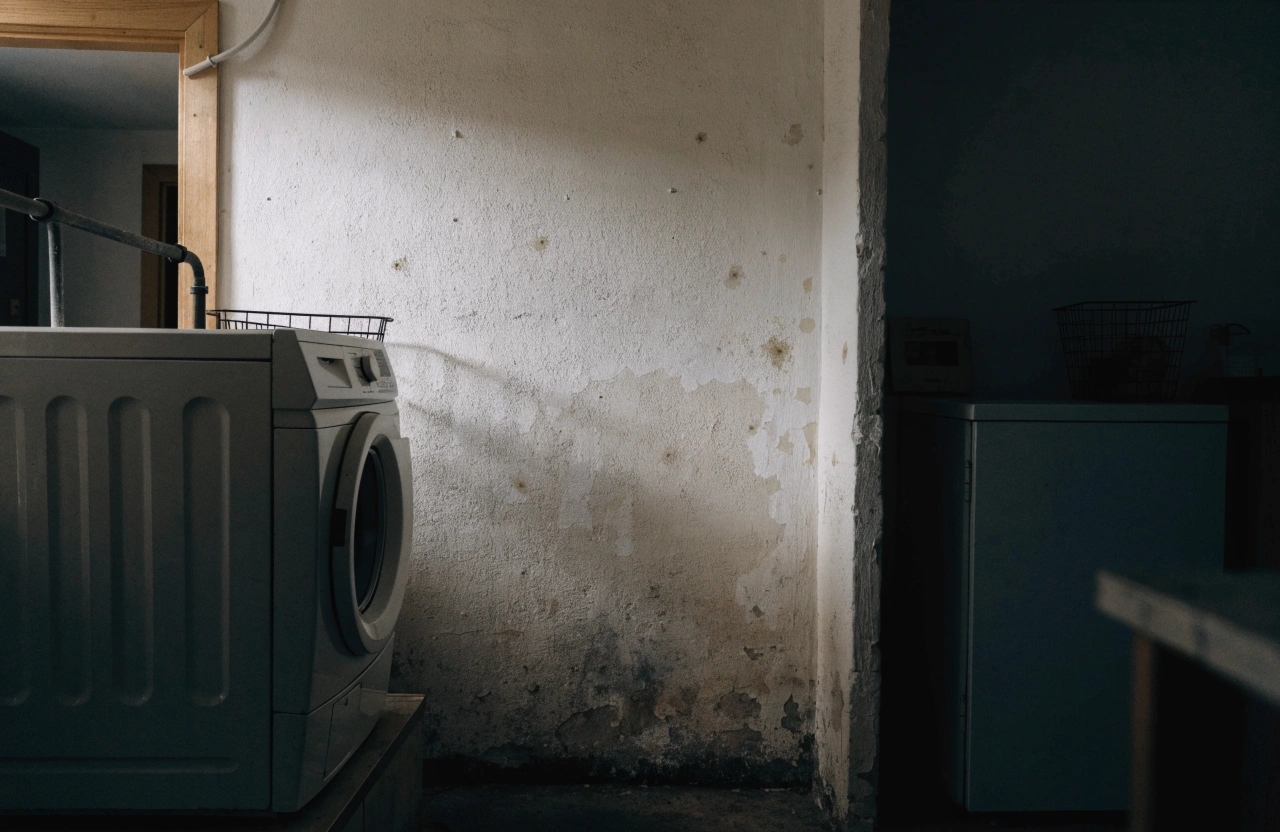
Mould or black spots at the base of walls Moisture is tracking up through the wall lining behind the surface
Bubbling or lifting paint Moisture trapped behind the paint film, often from a failed membrane below
Musty smell that doesn't go away with cleaning Mould growing somewhere you can't see, usually under flooring or inside a wall cavity
Staining on a ceiling below an upstairs laundry Water is getting through the floor waterproofing and travelling down

Any one of these on its own is worth a proper look. More than one at the same time usually means the waterproofing's been compromised for a while.

Mould and water staining on a laundry wall from failed waterproofing in an older Hobart home

Waterproofing Costs: What to Expect in Your Quote

Waterproofing on its own, done properly as part of a laundry renovation, usually sits somewhere between $800 and $2,500 depending on the size of the room, how much wall height needs covering, and whether there's existing damage to strip back and repair first before the new membrane goes down. That's a small slice of a full renovation budget, but it's the part you genuinely cannot afford to skimp on.

If you're weighing that up against everything else in the job, cabinetry, benchtops, flooring, our guide to a budget laundry renovation walks through where else you can save so the waterproofing gets the spend it actually needs.

How Long Does Proper Waterproofing Last?

A membrane installed correctly, to AS 3740, by someone who's licensed and knows what they're doing, should easily see out 20 to 25 years, often the working life of the room itself. What actually shortens that lifespan isn't the membrane wearing out on its own, it's things like structural movement cracking it, a leaking appliance sitting undetected for months, or someone drilling into a wall years later without knowing what's underneath.

So, will your laundry be waterproofed properly? If it's done by a licensed waterproofing company using a compliant membrane, flood-tested before anything's covered over, and finished with a proper compliance certificate, yes, it will, and you'll have the paperwork to prove it whenever you need it. That's the whole point of the standard, it takes the guesswork out of a part of the house you're never going to see again once it's finished.

Get in touch

Get Your Laundry Waterproofed to Standard, Properly

If you're not sure what's actually behind your laundry walls or under the floor, we'll take a look, explain exactly what AS 3740 requires for your space, and quote it straight, no guessing, no shortcuts.

Facebook · Twitter · LinkedIn · Pinterest

Need help? Call our support team 24/7 at (03) 6152 6136

(03) 6152 6136